
 English
  Français
  Español
  Português
  العربية
  Русский
  Bahasa Indonesia
  中文
中文 Shipping Trucks to West Africa: Ports, Methods and Clearance
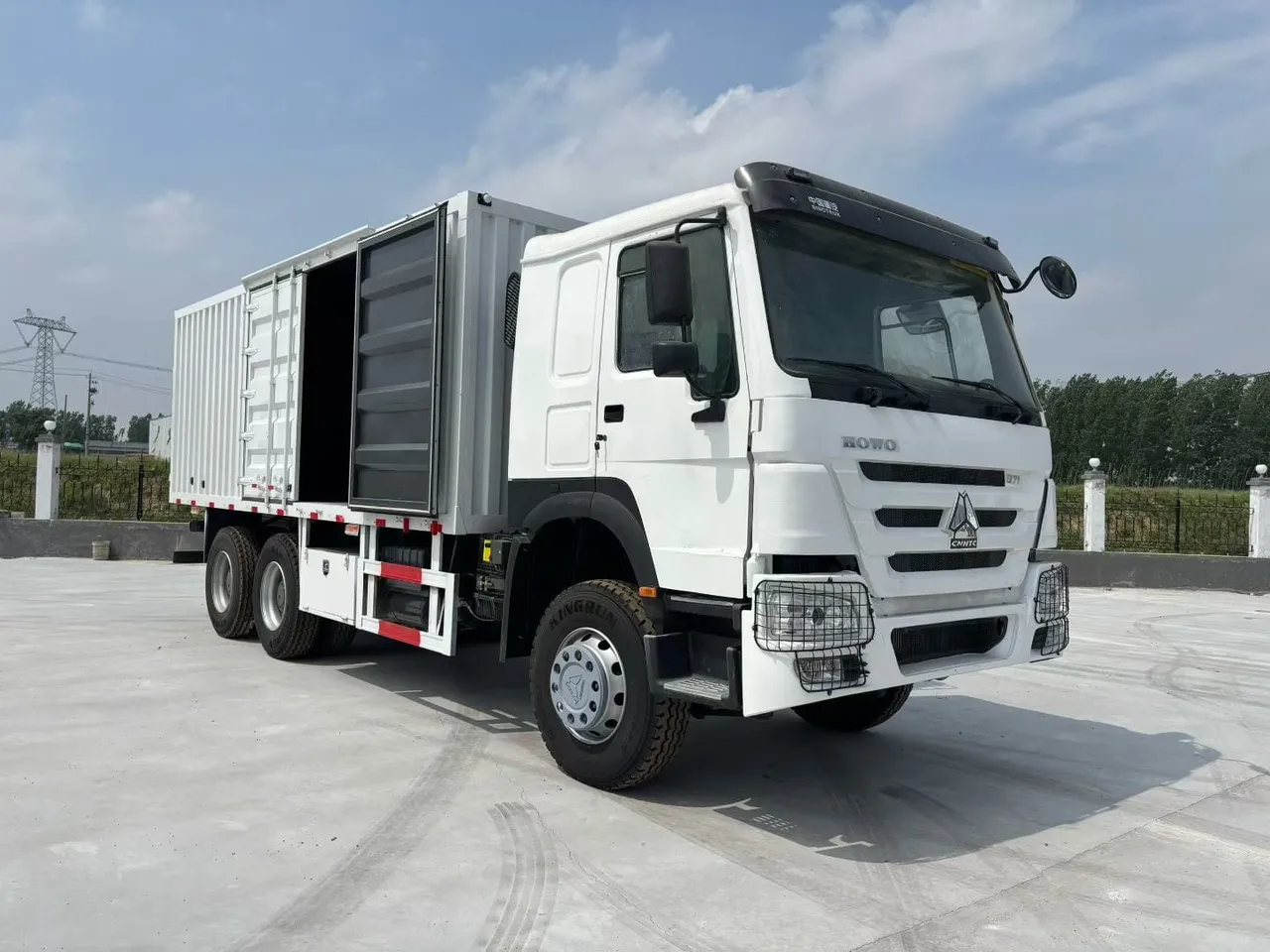
West Africa runs on heavy trucks, and most of them arrive by sea from Asia. The region's busy ports, drive-on-the-right rule and well-known clearance delays make method and preparation matter. This guide covers shipping trucks to West Africa from China — the main ports, choosing RoRo or container, the left-hand-drive requirement, and how CIF keeps the ocean leg simple for you.
The main West African truck ports
Several ports share the region's vehicle traffic. Lagos — through the Apapa and Tin Can Island terminals — is the dominant gateway for Nigeria, the region's largest market. Tema near Accra serves Ghana and acts as a transit point for some landlocked neighbours. Abidjan (Côte d'Ivoire) and Dakar (Senegal) are major hubs for the francophone west, while Lomé (Togo) and Cotonou (Benin) handle both local cargo and transit to Niger and Burkina Faso.
Your nearest or cheapest-to-clear port is not always the obvious one — Lomé and Cotonou, for example, are common transit routes even for cargo ultimately bound elsewhere. When we quote on used trucks for sale, confirming the discharge port early lets us price freight accurately.
RoRo or container for the voyage
The same two methods apply as anywhere. RoRo is the standard, economical choice for a running truck that can be driven on and off the vessel — ideal for a used tractor trucks shipment or a drivable tipper. Vehicle vessels call regularly at Lagos, Tema and Dakar.
A flat-rack or open-top container is the alternative when a unit is not running, when you want stronger protection through busy terminals, or when you are shipping a truck alongside spare parts. Given the handling intensity at some West African ports, buyers shipping a higher-value 8x4 dump truck sometimes prefer the enclosure a flat-rack arrangement gives. We recommend per unit rather than forcing one method on a mixed load.
The left-hand-drive requirement
This is the rule that catches buyers out. West African countries drive on the right, which means imported trucks must be left-hand drive (LHD). A right-hand-drive unit intended for East Africa will not suit Nigeria, Ghana or their neighbours, and may be refused or heavily penalised at customs.
Chinese-built trucks are produced in both configurations, so this is straightforward to get right at the order stage — but it must be specified before the truck ships. Every howo truck or shacman truck we supply to the region is confirmed LHD. If you are unsure which configuration your country needs, ask us before paying a deposit; correcting it after shipping is expensive.
What CIF covers on a West Africa shipment
Buyers researching the cif meaning in shipping want to know where the seller's job ends. CIF — Cost, Insurance and Freight — means we pay for the truck, marine insurance and ocean freight to your named port, for example CIF Tema or CIF Apapa.
Import duty, levies, terminal handling, clearance fees and inland transport remain the buyer's cost, so the CIF price is not your landed total. The cif vs fob distinction is simply about who arranges the voyage: under FOB you handle freight and insurance from the Chinese port yourself, under CIF we carry it to your water's edge. For first-time importers, CIF keeps one party accountable for the sea leg and is usually the cleaner choice.
Congestion, clearance and demurrage
West African ports are known for congestion and slower clearance than buyers sometimes expect, with Lagos historically the most challenging. Delays cost money: once free time expires, demurrage and storage charges accrue daily and can erode the savings on the truck itself.
The defence is preparation. Appoint a competent clearing agent before the vessel arrives, have your full document set ready, and confirm your duty position in advance. Routing through a less congested neighbouring port — Lomé or Cotonou into Nigeria, for instance — is a tactic some importers use, though it adds an inland leg. Our Nigeria import guide and Ghana import guide cover the country specifics.
Documents for West African clearance
Clearance rests on a clean document set: the Bill of Lading, commercial invoice, packing list, and a pre-shipment inspection or conformity certificate where required — several West African countries operate verification-of-conformity programmes, and Nigeria's customs valuation process is documentation-heavy.
For a used truck, proof of year and configuration matters because some markets apply age rules and all of them assess duty on declared value. We provide the full export document set with each shipment so your agent has what customs asks for. Buyers planning a mixed order often browse our used heavy duty trucks range to combine units in one shipment and spread the freight cost.
Frequently Asked Questions
Why must trucks for West Africa be left-hand drive?
Which port is best for importing into Nigeria?
Does CIF include duty and clearance in West Africa?
How can I avoid demurrage charges?
Is RoRo available to Tema and Dakar?
Confirm your port and LHD spec with us and get a CIF quote for the right truck.
Reply within 24 hours — or WhatsApp us at +86 199 6378 9330.