
 English
  Français
  Español
  Português
  العربية
  Русский
  Bahasa Indonesia
  中文
中文 Used Low-Bed Trailers (Lowboy / Low Loader) — Sourced to Order, CIF Worldwide
A low bed trailer — also called a lowboy trailer, low loader, or lowbed semi trailer — sits far lower to the ground than a standard flatbed. That low deck height is the whole point: it keeps over-height machinery (excavators, bulldozers, cranes, transformers) within legal road-clearance limits, and it makes loading far safer. Sigma Used Trucks sources inspected, refurbished lowbed trailers for sale to order across our supplier network in China, pairs them with in-stock heavy tractor heads, and ships CIF to roughly 40 countries in Africa and the Middle East. If you need a heavy haul trailer with a matching prime mover, this page explains what to look for and how to enquire.
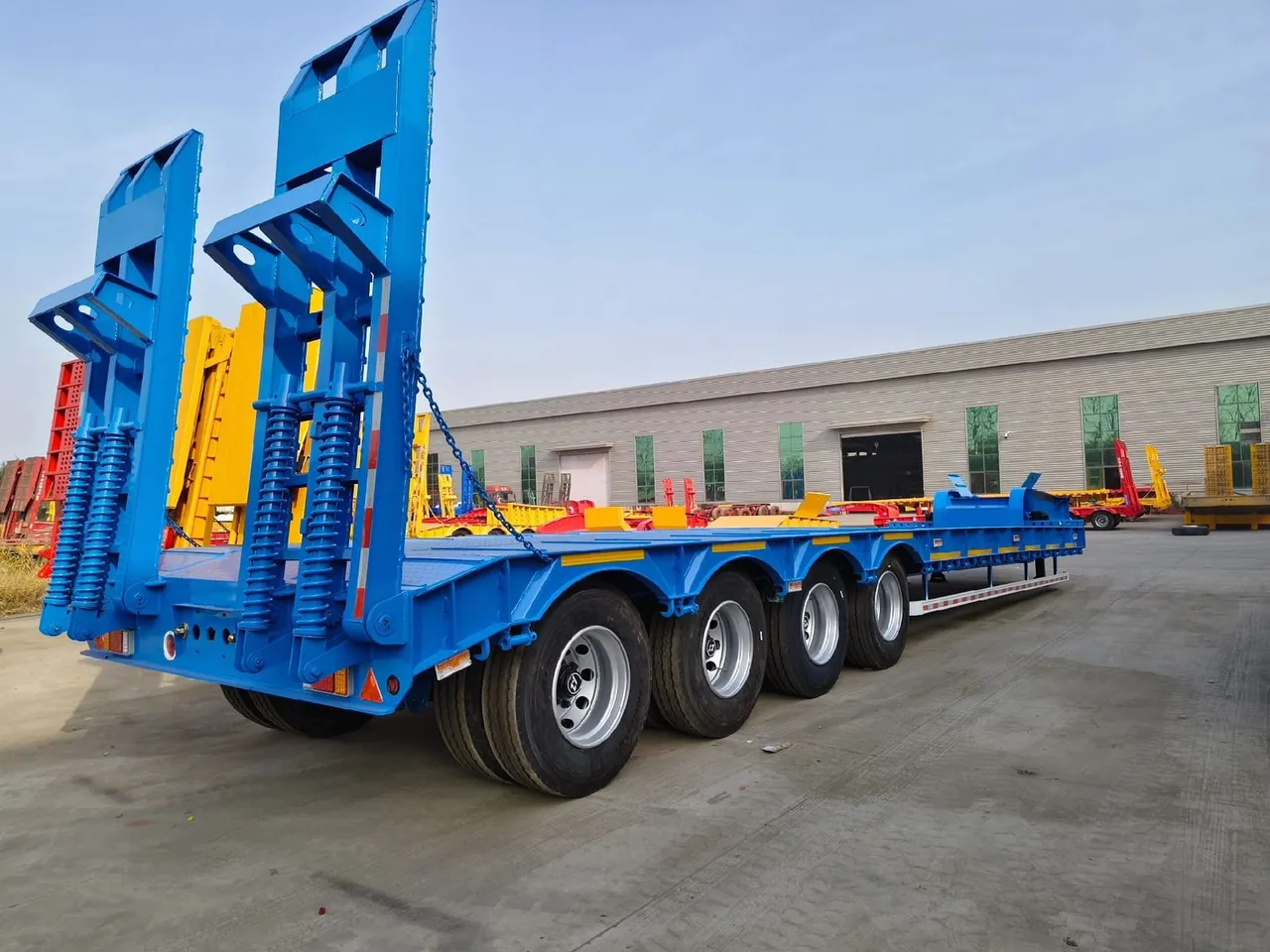
What Is a Low-Bed / Lowboy Trailer?
A lowbed is a semi-trailer whose main deck rides just 400–700 mm above the road surface — roughly half the height of a conventional flatbed. The low centre of gravity improves stability with tall loads, and the reduced overall height lets transporters move equipment that would otherwise require special permits or escorts.
The trailer connects to a heavy tractor head (typically a 6×4 or 8×4 prime mover with 340–420 HP) via a standard kingpin-and-fifth-wheel coupling. The tractor supplies all the traction; the lowbed supplies the load-carrying platform. Because of this, sourcing the low bed truck trailer and the prime mover together — or at least confirming compatibility — avoids costly mismatches at the port.
Common alternative names you may see in export listings: low loader, low bed gooseneck trailer, truck lowbed trailer, super low bed trailer, and multi axle low bed trailer. All describe the same basic category.
Axle Classes and Load Ratings
| Configuration | Typical GVW | Common Use | Remarks |
|---|---|---|---|
| 2-axle low bed trailer | Up to 40 t | Mini-excavators, skid steers, small dozers | Compact, manoeuvres well on site roads |
| 3-axle low bed trailer (tri-axle) | 40–60 t | 20–35 t excavators, wheeled loaders, rigid dump trucks | Most common export spec; suits standard African road networks |
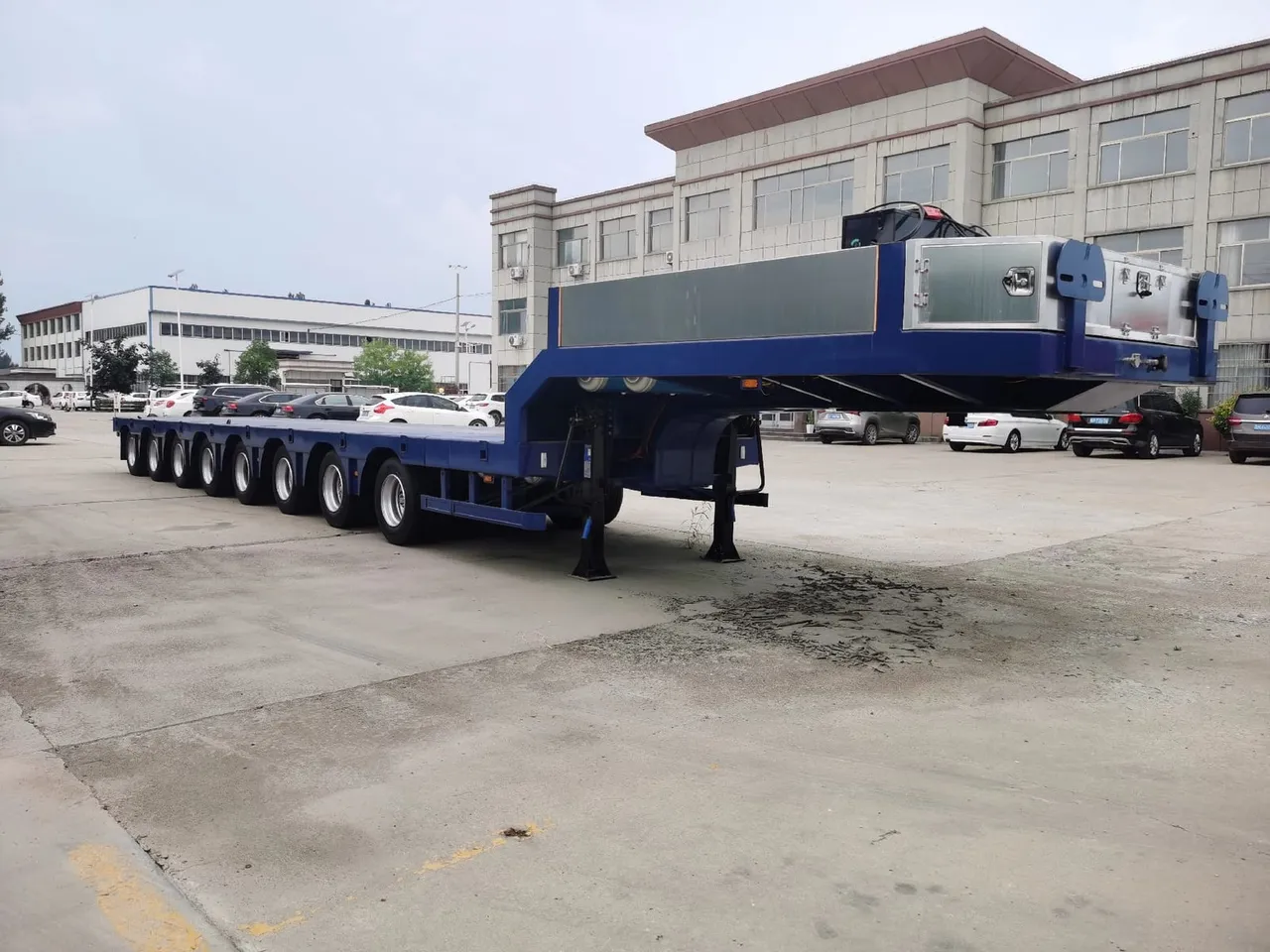
| 4-axle lowbed for sale | 60–80 t | Large crawler cranes, heavy bulldozers, mining haul trucks | Often fitted with hydraulic low bed suspension |
| Multi-axle / modular | 80–100 t+ | Power transformers, offshore modules, bridge beams | Specialist configuration; longest lead time |
Gross combination weight (GCW) must always be calculated as trailer tare + payload + tractor weight. Road axle-load limits in Uganda, Ghana, Tanzania, and the UAE differ — confirm local limits before finalising axle count.
Ramp and Loading System Options
How cargo gets onto the deck matters as much as capacity. Three main loading systems are common on Chinese-built lowbeds:
- Mechanical folding ramps — steel ramps fold down from the rear by hand or with assist cylinders. Simple, low maintenance, suitable for wheeled and tracked equipment up to moderate weights. Standard on most lowbed trailer for sale units in the 40–60 t class.
- Hydraulic ramp / hydraulic low bed trailer — the rear section tilts or the ramps extend via hydraulic rams, powered from the tractor's PTO or an on-board power pack. Faster loading, gentler on machinery, essential for heavy tracked equipment that cannot safely travel steep ramp angles.
- Detachable gooseneck (RGN) / front-loading low bed — the entire front neck detaches, allowing the prime mover to drive away and the cargo to be driven or craned onto the deck from the front. Best for very heavy or very long loads. Also called a low bed gooseneck trailer or front loading low bed trailer.
Most units sourced through Sigma are double axle lowbed trailer or tri axle low bed trailer configurations with mechanical or hydraulic rear ramps. Detachable gooseneck units require longer sourcing lead times.
Typical Applications — What Gets Loaded on a Lowbed
The industries and load types that drive demand for a low bed trailer truck in Africa and the Middle East are consistent across markets:
- Construction equipment: hydraulic excavators (10–50 t class), motor graders, bulldozers, vibratory rollers
- Mining equipment: rigid dump trucks, drilling rigs, conveyor sections — often requiring a 60 ton low bed trailer or 100 ton low bed trailer
- Crane transport: crawler cranes and mobile crane sections that exceed height limits on a flatbed
- Power infrastructure: distribution transformers and large generators, common in Nigeria, Kenya, and Iraq
- Agricultural and forestry machinery: combine harvesters, large tractors, timber forwarders
If your load is within standard flatbed height limits and does not require specialised loading, a flatbed truck for sale may be a more economical choice. If load height or weight pushes past flatbed limits, a lowbed is the correct tool.
What to Inspect on a Used Low-Bed Trailer
Used lowbeds carry demanding loads and inspection shortcuts lead to failures at the worst possible moment. Our pre-export check covers the following — buyers should verify these points in any supplier's inspection report:
- Main beams and welds: longitudinal main beams are the structural spine. Look for cracks at gooseneck transition points, cross-member joints, and ramp-hinge areas. Hairline cracks in high-stress zones are a disqualifying defect.
- Ramp mechanisms: on hydraulic units, check cylinder seals, hydraulic lines, and the power pack for leaks and correct pressure. On mechanical ramps, check hinge pins and locking chains.
- Kingpin and fifth-wheel plate: the kingpin must meet correct diameter tolerance; a worn kingpin creates dangerous play under load. The bolster plate must be flat and uncracked.
- Suspension and axles: leaf-spring eyes, U-bolts, and spring saddles all fatigue under heavy loads. Axle beam straightness should be checked; a bent axle causes tyre scrub and premature wear.
- Tyres: a 16 wheeler low bed trailer or larger carries many tyres; check tread depth uniformly across all positions, look for sidewall cracking from UV/ozone exposure (common on trailers stored outdoors in China).
- Lighting and electrical: confirm all marker lights, brake lights, and ABS (if fitted) function correctly. Many African countries require working lights for police clearance on departure from port.
All units we source undergo a pre-shipment inspection. Detailed inspection photos and any refurbishment records are shared with buyers before final payment.
Pairing a Lowbed with the Right Tractor Head
A low bed trailer is only as useful as the tractor head pulling it. Matching horsepower, axle configuration, and fifth-wheel height to the trailer's rated GCW is not optional — an underpowered or incorrectly configured prime mover will fail on hills and may void cargo insurance.
For most 3 axle low bed trailer units at 40–60 t GCW, a 6×4 tractor with 336–420 HP is appropriate. For 4-axle and heavier configurations, an 8×4 or tandem-drive heavy prime mover is required. We stock refurbished HOWO tractor heads and other Chinese heavy prime movers that are spec-matched to the trailer units we source — buying tractor and trailer together from one supplier simplifies paperwork, reduces freight cost, and ensures compatibility.
If you already own a tractor and only need the lowbed, send us your tractor's fifth-wheel height and kingpin specification and we will match accordingly. Browse all tractor trucks or all semi trailer trucks to compare options alongside the lowbed configurations below.
How to Source a Low-Bed Trailer from Sigma — Process and CIF Shipping
Low-bed and lowboy trailers are sourced to order from our network of verified suppliers in China. The process is straightforward:
- Step 1 — Enquiry: tell us your load type, maximum payload, preferred axle count, ramp type (mechanical or hydraulic), and destination port. If you are buying a matching tractor, include drive configuration preference.
- Step 2 — Sourcing and quotation: we identify suitable units, share inspection photos and specifications, and provide a CIF price to your destination port (Mombasa, Durban, Lagos, Tema, Dar es Salaam, Jebel Ali, Umm Qasr, and others).
- Step 3 — Pre-shipment inspection: the trailer is inspected and any agreed refurbishment (repainting, hydraulic servicing, tyre replacement) is completed before loading.
- Step 4 — Shipping and documents: we handle freight booking and provide a full commercial invoice, packing list, bill of lading, and any additional documents required for your country's import clearance.
There is no minimum order, and we regularly combine a used low bed trailer for sale with one or more tractor units in the same shipment to reduce per-unit freight cost. LHD and RHD tractor configurations are both available depending on the destination market.
Low-Bed Trailer & Tractor Options
3-Axle Low-Bed Trailer (sourced to order)
The most requested configuration for Africa and the Middle East: tri-axle lowbed rated 40–60 t, mechanical or hydraulic ramps, suitable for excavators and heavy construction equipment. Sourced to order with pre-shipment inspection.
Enquire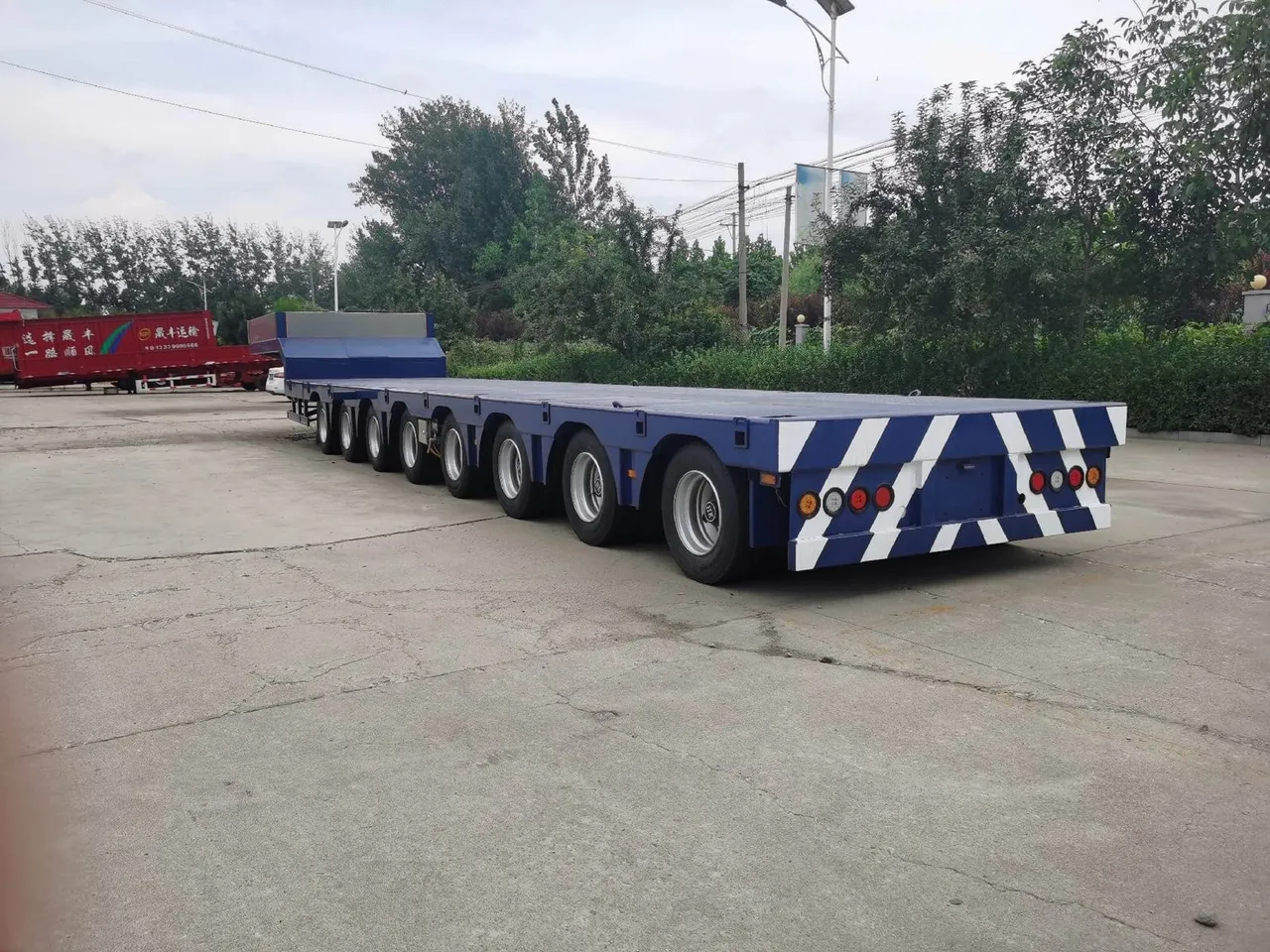
Detachable Gooseneck / Hydraulic Lowbed (sourced to order)
RGN and hydraulic-ramp configurations for oversized or overweight loads — transformers, crawler cranes, and mining equipment. Front-loading capability. Longer sourcing lead time; specify your load dimensions when enquiring.
Enquire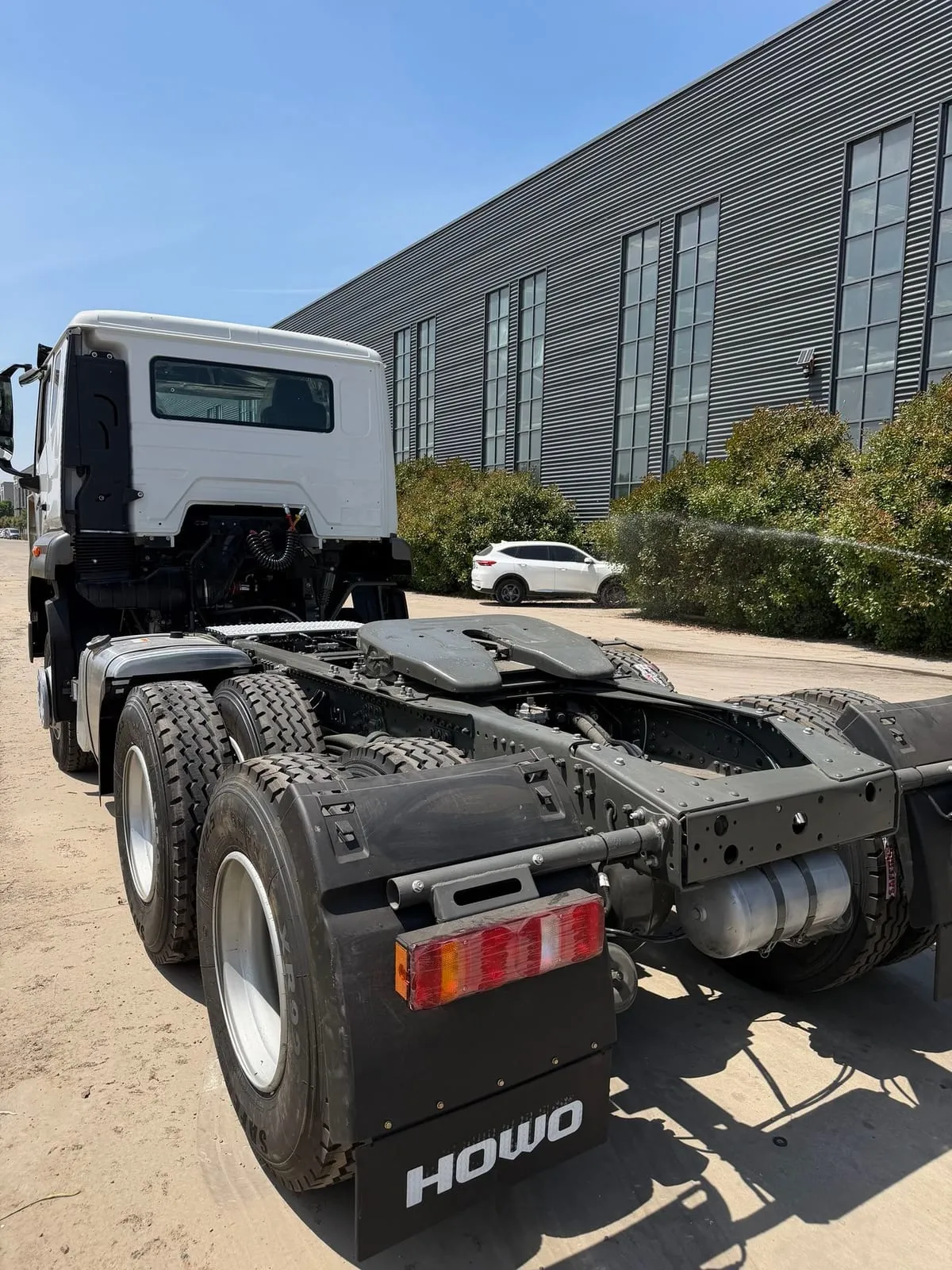
Matching Heavy 6×4 Tractor Head
In-stock refurbished HOWO and Sinotruk 6×4 tractor heads, 336–420 HP, fifth-wheel height matched to lowbed spec. Buy tractor and trailer together to simplify shipping and paperwork.
Enquire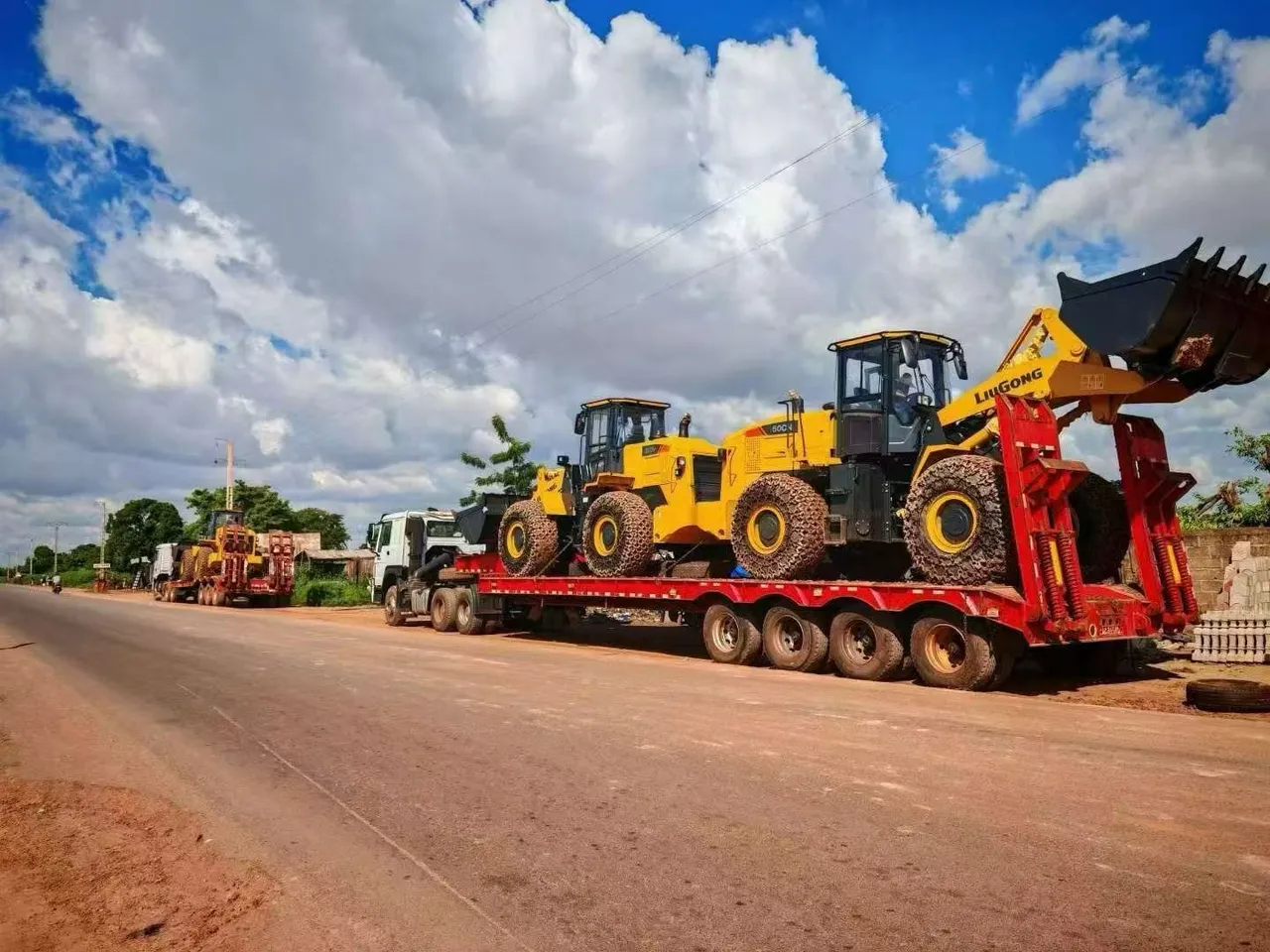
Flatbed Semi-Trailer
When load height is within road limits and no specialised loading system is needed, a flatbed is more economical than a lowbed. Same CIF shipping service, same inspection standard.
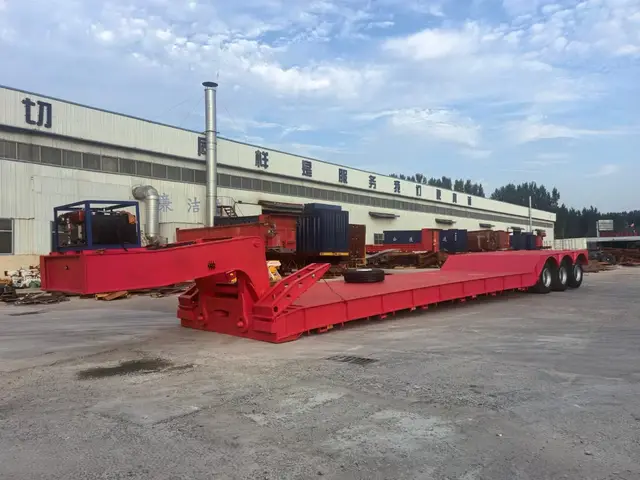
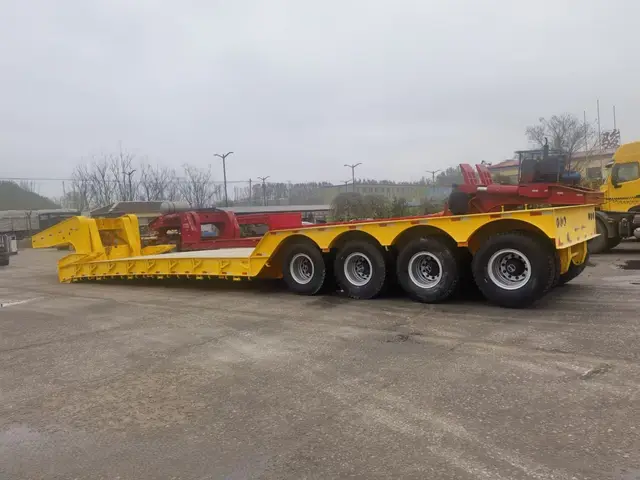
EnquireReal Photos — Inspected, Export-Ready Units
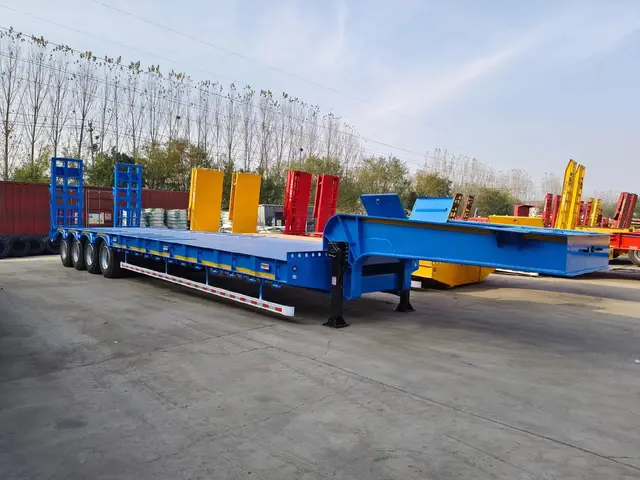
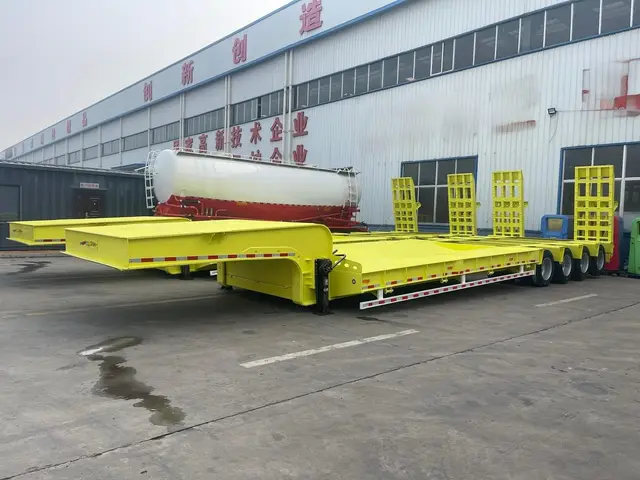
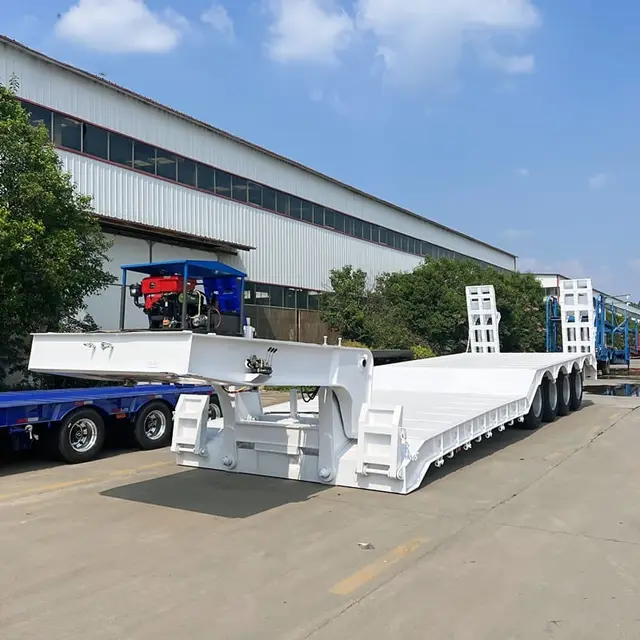
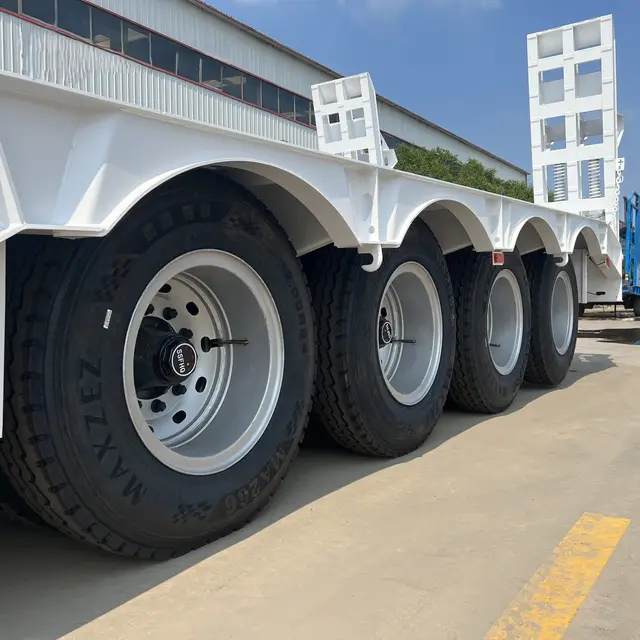
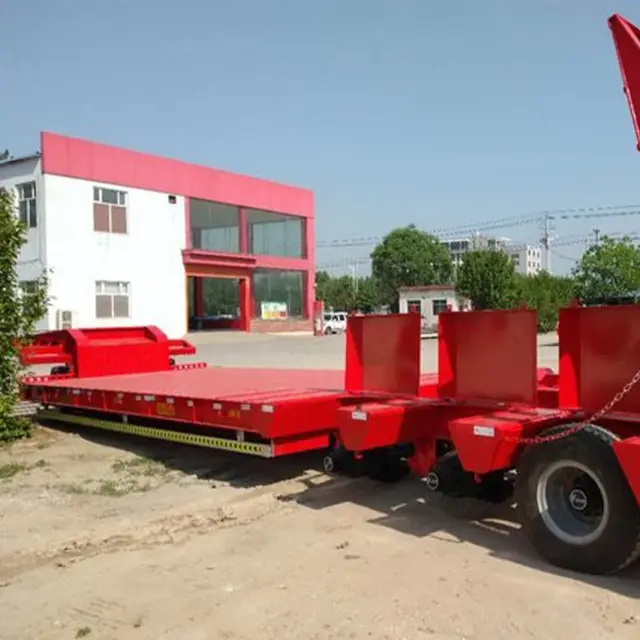
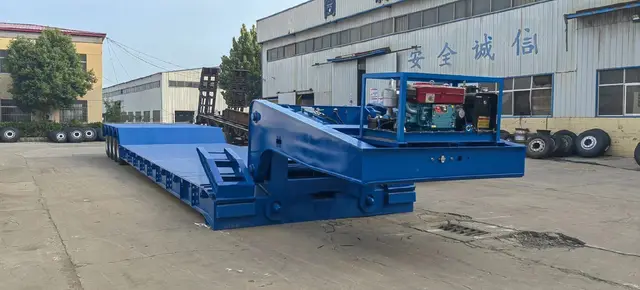
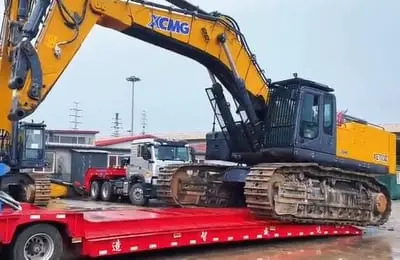
Actual stock and reference units we ship CIF to Africa & the Middle East. Every truck is mechanically inspected and refurbished before loading.
Frequently Asked Questions
What is the difference between a low bed trailer and a lowboy trailer?
What payload capacity do I need — 40 t, 60 t, or 100 t?
Can you supply both the low-bed trailer and the tractor head together?
How long does sourcing and shipping take?
Do you supply LHD and RHD lowbed trailers?
Tell us your load weight, axle preference, and destination port — we will source the right lowbed and matching tractor head and quote CIF within 48 hours.
Reply within 24 hours — or WhatsApp us at +86 199 6378 9330.