
 English
  Français
  Español
  Português
  العربية
  Русский
  Bahasa Indonesia
  中文
中文 RHD vs LHD Truck Conversion Explained
China builds its trucks in left-hand drive, but a large share of export markets drive on the left and legally require right-hand drive. Getting RHD vs LHD truck conversion explained clearly matters because a poor conversion is dangerous, fails registration and is hard to undo. This guide covers which markets need which, what a proper conversion involves, and how to tell a good one from a bad one.
Which Markets Need RHD and Which Need LHD
Drive side follows traffic side, and traffic side is set by national law. Left-traffic countries drive on the left and require right-hand-drive vehicles: Kenya, Tanzania, Uganda, Zambia, Zimbabwe, Botswana, South Africa and several others across East and Southern Africa. The driver sits on the right so they can judge the centre line and overtaking safely.
Right-traffic countries drive on the right and use left-hand-drive vehicles: Nigeria, Ghana and most of West Africa, along with the Middle East. Buying the wrong configuration is not a minor inconvenience — many countries will refuse to register a truck on the wrong side, and even where they allow it, the driver's blind spots make it genuinely dangerous. Confirm your country's rule before you choose any used trucks for sale.
Why Chinese Trucks Start as LHD
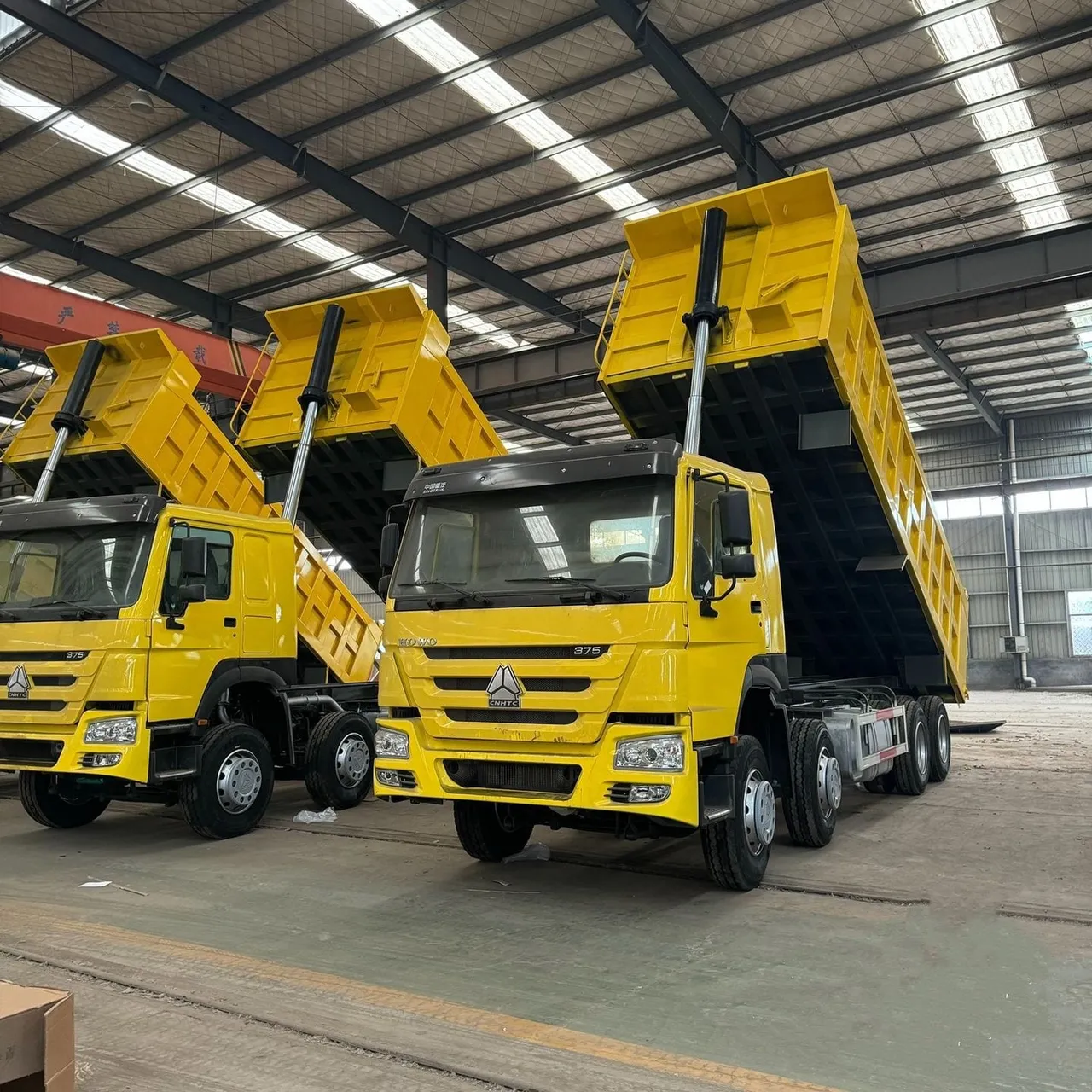
China drives on the right, so its domestic production — including the howo truck and SHACMAN ranges — is built left-hand drive as standard. For LHD markets in West Africa and the Middle East, that is exactly what you want and no conversion is needed; the truck arrives ready to register.
For RHD markets, the truck has to be converted from LHD to RHD before it can be registered and driven legally. This is routine for established exporters, but the quality of the conversion varies enormously, and that is where buyers get caught. A converted truck is only as safe as the workshop that did the work, so the conversion is part of what you are buying, not an afterthought.
What a Proper LHD to RHD Conversion Involves
A genuine conversion moves far more than the steering wheel across the cab. The steering column and linkage are relocated and re-engineered so the geometry stays correct, which is the safety-critical part. The pedal box — clutch, brake and accelerator — moves to the right, with the linkages rebuilt to work cleanly and consistently.
The dashboard and instrument cluster are repositioned so the driver can read gauges and reach controls; the wiper mechanism and park position are reset for the new driver side; the mirrors are changed for the correct fields of view; and the headlight beam pattern is adjusted so the dip does not dazzle oncoming traffic. Skip any of these and you have a truck that is uncomfortable at best and unsafe at worst. The same care applies whether it is a tractor unit or a used dump trucks chassis.
The Risks of a Bad Conversion
A cheap conversion is where the corners get cut, and the results are predictable. Steering that has been bodged rather than properly re-engineered can develop play, bind or, in the worst cases, fail — the single most dangerous outcome on a loaded heavy truck. Pedal linkages cobbled together feel vague and can stick, which is no joke under braking.
Beyond safety, a poor rhd vs lhd conversion shows in the details inspectors look for: a dashboard that still reads back-to-front, wipers that clear the wrong arc, lights that dazzle, and mirrors with blind spots. Any of these can fail a registration or roadworthiness test, leaving an imported truck stuck and unusable at exactly the point you need it earning. Re-doing a botched conversion costs more than having it done right the first time.
Why In-House Conversion Matters
When the same operation that inspects and refurbishes the truck also does the conversion, accountability sits in one place. An in-house workshop can engineer the steering and pedals properly, test the result, and stand behind it, rather than subcontracting to a backstreet shop whose work you never see. That is the practical difference between a truck that registers cleanly and one that argues with the inspector.
It also means the conversion is documented as part of the build, alongside the inspection and refurbishment records. For RHD-market buyers sourcing used heavy duty trucks, asking who does the conversion and seeing photographs of the work is a fair and important question. A serious china used truck exporter will answer it openly because the conversion is part of what you are paying for.
Registration Compliance on Arrival
The final test of any conversion is the registration office in your country. Most RHD markets require the driving position, lighting, mirrors and controls to meet roadworthiness standards before a truck is plated. A conversion done to that standard sails through; a half-done one gets flagged and held.
Plan for this before you buy: confirm your country's exact requirements, ask the exporter to convert to that standard, and keep the conversion documentation with your import papers. Getting the drive side and the conversion quality right up front is far cheaper than fixing a non-compliant truck after it has crossed the ocean. Once you know your requirement, you can match it to the right unit among the used tractor trucks and tippers on offer.
Frequently Asked Questions
Does Kenya need right-hand or left-hand drive trucks?
Why are Chinese trucks built left-hand drive?
What does a proper LHD to RHD conversion include?
How can I tell if a conversion was done well?
Tell us your destination country and we will confirm the drive side and convert the truck to your registration standard in-house.
Reply within 24 hours — or WhatsApp us at +86 199 6378 9330.