
 English
  Français
  Español
  Português
  العربية
  Русский
  Bahasa Indonesia
  中文
中文 How to Import Used Trucks to Zambia: Landlocked Routing Made Simple
Zambia's copper belt, agriculture and cross-border haulage keep heavy trucks in constant demand, but being landlocked adds a layer most coastal importers never think about: the truck has to cross a neighbour's port and travel hundreds of kilometres by road before it ever reaches Lusaka or the Copperbelt. That makes transit routing as important as the duty bill. This guide on how to import used trucks to Zambia covers the Zambia Revenue Authority (ZRA) charges, the steering-side rule, and the three main corridors used to get a truck inland.
Why Routing Comes Before Everything Else
Zambia has no coastline, so every imported truck arrives via a neighbour's port and then drives inland under customs transit. Three corridors dominate. Dar es Salaam in Tanzania serves northern and Copperbelt destinations via the well-travelled route through the border posts. Durban in South Africa is a deep, efficient port feeding Zambia through Zimbabwe or Botswana. Walvis Bay in Namibia is increasingly popular for its short corridor and lighter congestion. The best choice depends on your final destination within Zambia, current corridor congestion and freight cost. Decide the route early, because it affects shipping price, transit time and which clearing agent you appoint.
Steering Side: Zambia Requires RHD
Zambia drives on the left, so imported trucks must be right-hand drive. Many used Chinese trucks roll off the line as LHD for other markets, so steering side has to be verified — or converted — before the unit ships. Registering an LHD truck for normal road use in Zambia is not viable, so this is not a detail to leave to chance.
Sigma Truck performs LHD/RHD conversion in-house, so the HOWO trucks and SHACMAN trucks on our used trucks for sale in Zambia page arrive correctly configured for Zambian roads. Sorting this before the truck leaves China is far cheaper than retrofitting after it has crossed two borders.
ZRA Duties, VAT and the Carbon Surtax
The Zambia Revenue Authority assesses imported trucks under their HS classification, and the tax bill typically has three main parts: import duty, VAT, and a carbon emission surtax that applies specifically to motor vehicles. The carbon surtax is a feature many first-time importers overlook, so factor it in. All three are subject to change, so treat any figure you see as approximate and confirm the current rates and bands directly with ZRA before you finalise a budget. As elsewhere, model your landed cost from the CIF value upward rather than guessing from the purchase price.
Choosing the Right Truck for Zambian Work
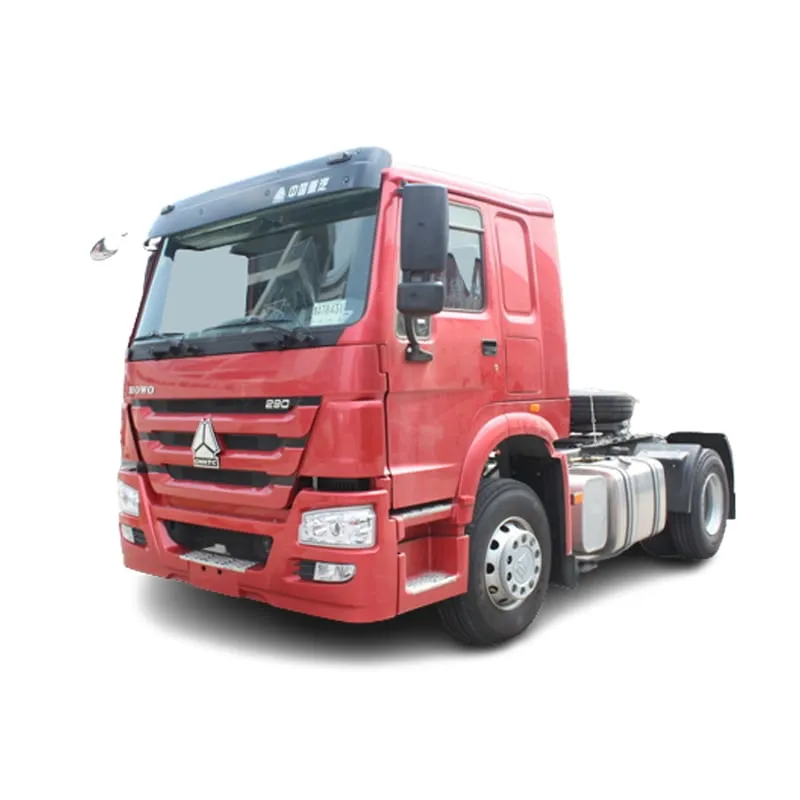
Zambia's mining and construction sectors run hard on tipper trucks. A 6x4 dump truck handles most aggregate and site haulage, while heavier operations favour an 8x4 dump truck for the extra payload. For copper, fuel and general freight along the corridors, a HOWO tractor head paired with the right trailer is the standard choice.
Across all of these, inspected used dump trucks on HOWO and SHACMAN platforms are popular because spare parts circulate freely across the region and the drivetrains cope with long, rough hauls. Buying inspected and refurbished, rather than untested, protects you from a breakdown two days into a transit corridor.
Transit Clearance and the Bond
Because the truck crosses a neighbour's territory before entering Zambia, the journey involves transit clearance. At the gateway port the goods are entered for transit, not for that country's home use, and a customs transit bond guarantees the vehicle will exit to Zambia rather than be sold along the way. The bond is released once the truck is confirmed at the Zambian border and entered for home use, where ZRA assesses the actual duties.
A clearing agent experienced in your chosen corridor is essential — they arrange the bond, manage the border posts, and keep the transit document moving so the truck is not held up. Appoint the agent before the vessel arrives, not after.
CIF Shipping and Budgeting the Landed Cost
Sigma Truck ships CIF to your chosen transit port — Dar es Salaam, Durban or Walvis Bay — so the quoted price already covers cost, insurance and freight to the gateway. From that fixed baseline you add transit clearance and bond costs, inland road transport to Zambia, then ZRA duty, VAT and the carbon surtax on entry. For the ocean-leg detail, see our regional shipping guide, and for structuring payment on a fleet order, our payment and LC guide. Building the budget this way — CIF, then transit, then ZRA charges — gives you a realistic delivered cost before you commit.
Frequently Asked Questions
Which port should I use to import a truck to Zambia?
Does Zambia require left-hand or right-hand drive trucks?
What taxes does ZRA charge on an imported truck?
What is a transit bond and do I need one?
How should I budget the total landed cost?
Importing into Zambia? Sigma Truck ships RHD-converted HOWO and SHACMAN trucks CIF to Dar es Salaam, Durban or Walvis Bay — tell us your route and we'll help map the transit and landed cost.
Reply within 24 hours — or WhatsApp us at +86 199 6378 9330.